

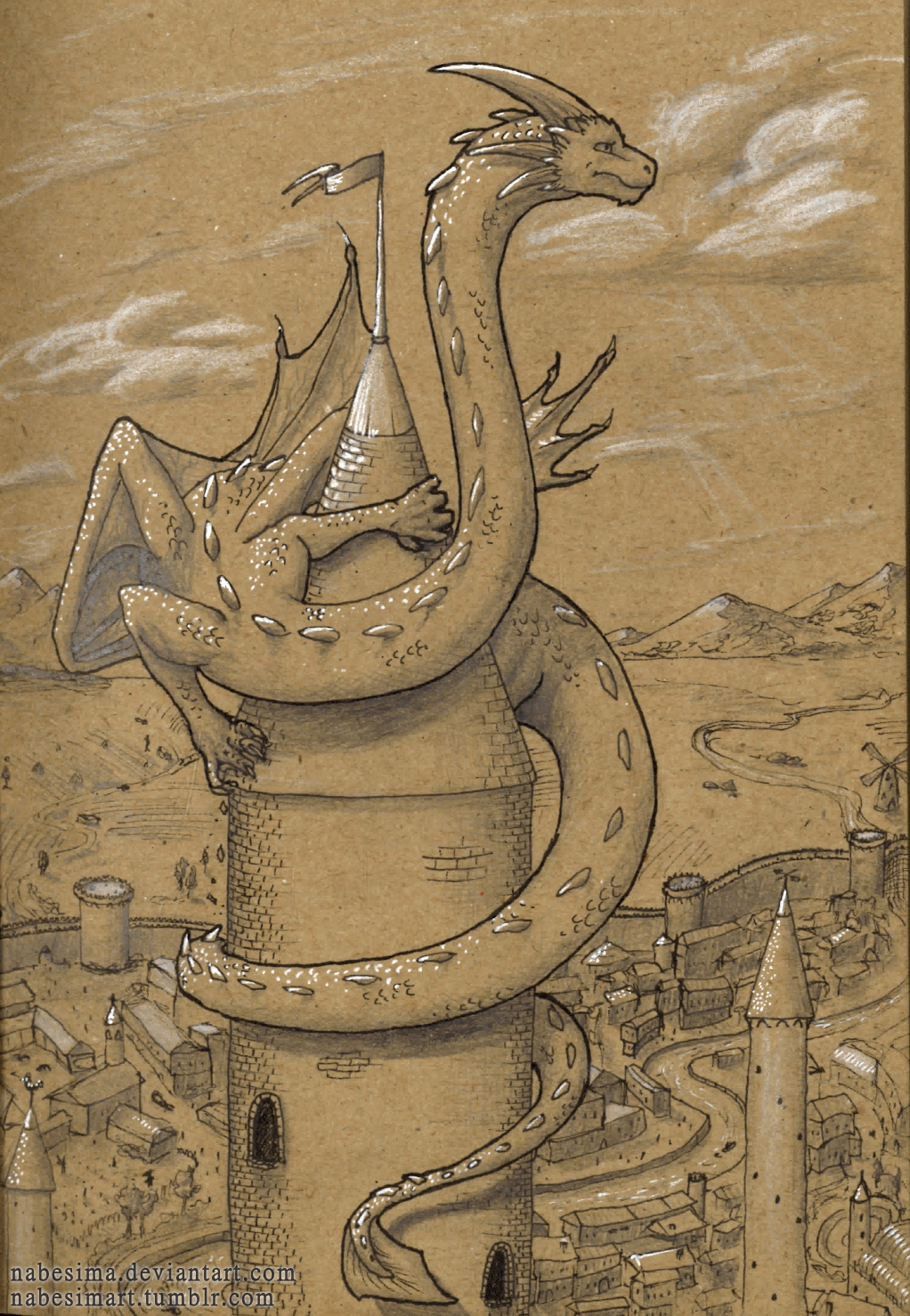
they’d make a good pair of cool sassy girlfriends.
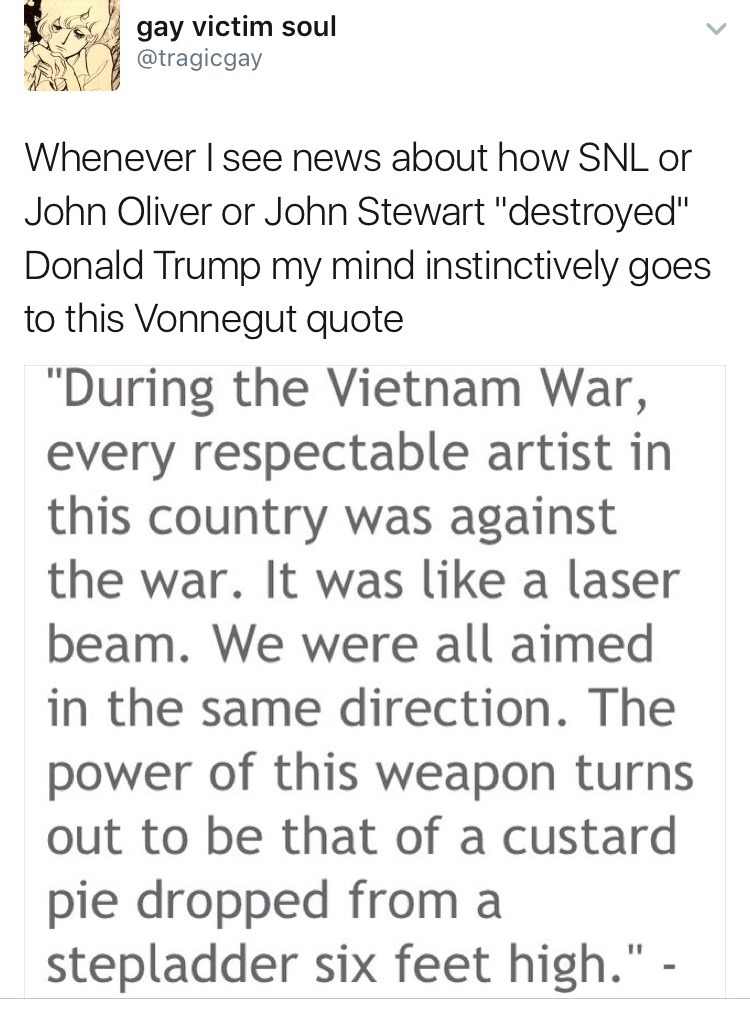
Every time I see this quote I realize how poor even very smart people are at looking at the long game and at assessing these things in context.
One of my favourite illustrations of this was in a First Aid class. The instructor was a working paramedic. He asked, “Who here knows the stats on CPR? What percentage of people are saved by CPR outside a hospital?”
I happen to know but I’m trying not to be a TOTAL know it all in this class so I wait. And people guess 50% and he says, “Lower,” and 20% and so forth and eventually I sort of half put up my hand and I guess I had The Face because he eventually looked at me and said, “You know, don’t you.”
“My mom’s a doc,” I said. He gave me a “so say it” gesture and I said, “Four to ten percent depending on your sources.”
Everyone else looked surprised and horrified.
And the paramedic said, “We’re gonna talk a bit about some details of those figures* but first I want to talk about just this: when do you do CPR?”
The class dutifully replies: when someone is unconscious, not breathing, and has no pulse.
“What do we call someone who is unconscious, not breathing, and has no pulse?”
The class tries to figure out what the trick question is so I jump over the long pause and say, “A corpse.”
“Right,” says the paramedic. “Someone who isn’t breathing and has no heartbeat is dead. So what I’m telling you is that with this technique you have a 4-10% chance of raising the dead.”
So no, artists did not stop the Vietnam War from happening with the sheer Power of Art. The forces driving that military intervention were huge, had generations of momentum and are actually pretty damn complicated.
But if you think the mass rejection of the war was as meaningless as a soufflé – well.
Try sitting here for ten seconds and imagining where we’d be if the entire intellectual and artistic drive of the culture had been FOR the war. If everyone thought it was a GREAT IDEA.
What the whole world would look like.
Four-to-ten percent means that ninety to ninety-six percent of the time – more than nine times out of ten – CPR will do nothing, but that one time you’ll be in the company of someone worshipped as an incarnate god.
If you think the artists and performers attacking and showing up people like Donald Trump is meaningless try imagining a version of the world wherein they weren’t there.
(*if you’re curious: those stats count EVERY reported case of CPR, while the effectiveness of it is extremely time-related. With those who have had continuous CPR from the SECOND they went down, the number is actually above 80%. It drops hugely every 30 seconds from then on. When you count ALL cases you count cases where the person has already been down several minutes but a bystander still starts CPR, which affects the stats)
Also, the custard pie has gravity on its side. Something falling from six feet up plus the height of the person dropping it (assuming they’re at the top of the stepladder), has a hell of a lot more force behind it than one that just sits there and does nothing.
Yes, I tend to take metaphors literally.

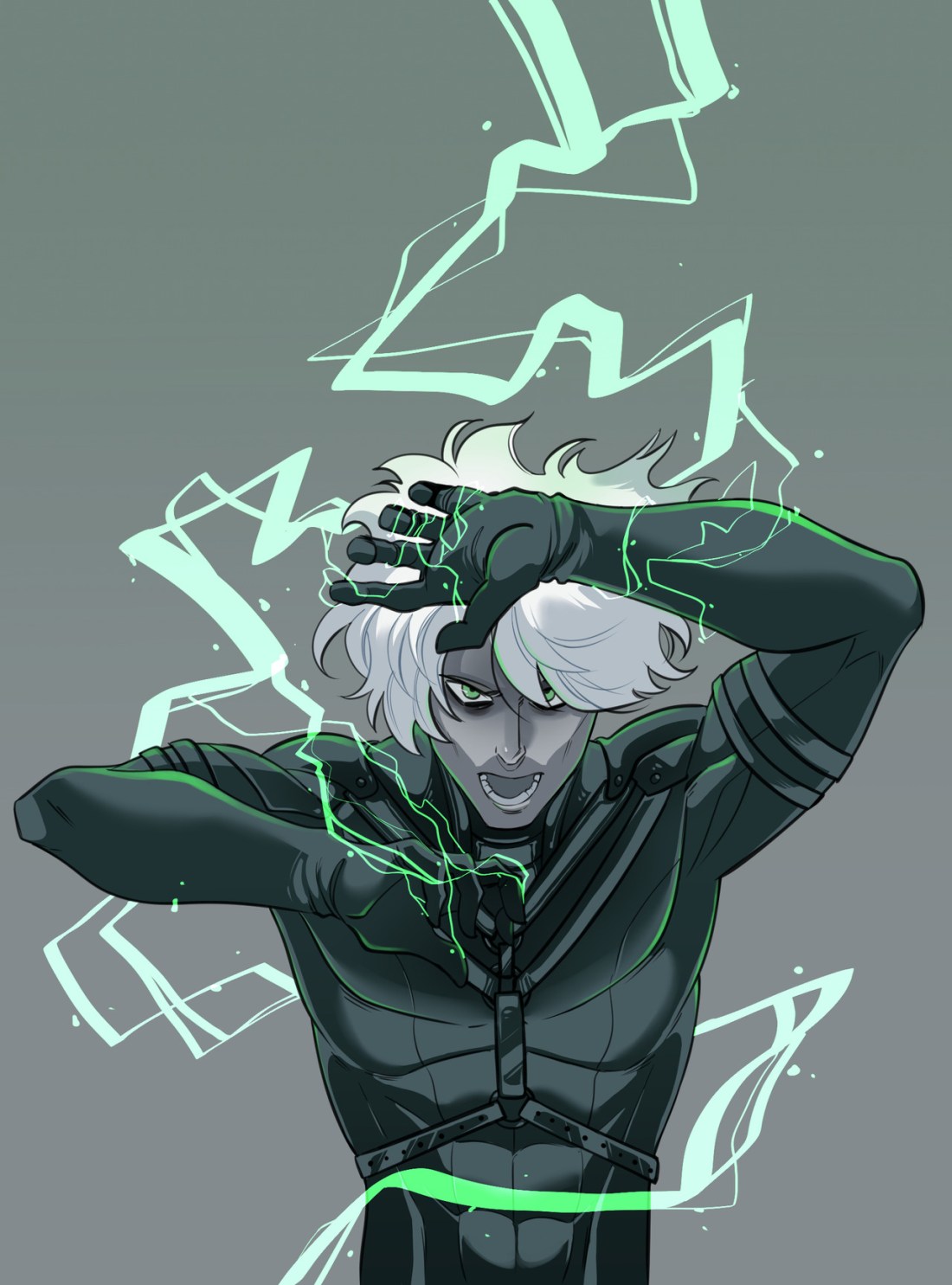
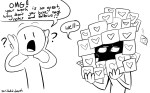
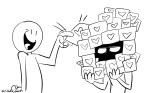
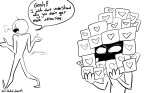
This Sterling has been up on my Instagram for weeks and I totally forgot to post it here. Figured this is as good a time as any since I’ve been pretty quiet lately. I just had to take a break to focus on my job and also because of some personal reasons…but I’m still alive! As always, I have so many things I want to make and share with you all soon; please bear with this hiatus a little longer!
wahhhhhhhhhh so intense!




 DarkestElemental616