so metropolitan museum of art has a register of books they’ve published that are out of print and that you can download for free! they’re mostly books on art, archeology, architecture, fashion and history and i just think that’s super useful and interesting so i wanted to share! you can find all of the books available here!
the dodo might hold the crown as the most famous extinct animal, and granted, they deserve it. they were the first species that humans acknowledged they had led to the extinction of. that’s a really significant title! but comparatively speaking, the death of a species of fat flightless pigeon with no natural predator on a tiny island isn’t half as horrifying as what happened to passenger pigeons.
the sheer scale at which these birds existed, and their subsequent extinction, is something i cannot wrap my head around. i know what happened – i’ve read novels upon novels about this, i’ve seen the pictures, i know all the details, but the more i think about it the more i realise i can’t possibly process it to its fullest extent because i wasn’t there. i didn’t live through that. i’ll never be able to fully understand how sudden it was.
these birds were over 5 billion strong at their peak. when they travelled, they allegedly blacked out the sun for thirty minutes at a time. they formed rivers in the sky, and there’s art and record of this from dozens of people. it wasn’t just one person’s poetic interpretation. these birds existed in an overwhelming quantity, and no doubt because of that that people took them for granted.
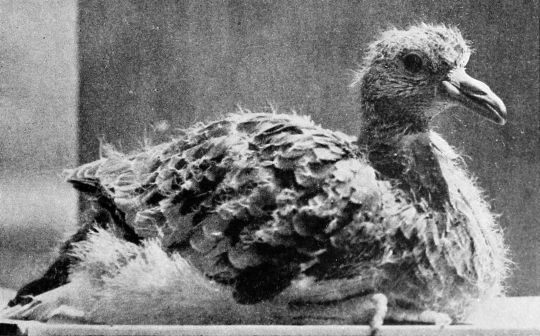
they were plentiful. they were obnoxiously plentiful, and yet humans took them out so cleanly and quickly and efficiently that from this species, from this five billion-strong species, we have only a single picture of a passenger pigeon squab.
these birds faded out of existence in the span of someone’s lifetime.
And now you know why we have the Migratory Bird Treaty Act. It’s not to inconvenience those who whine when you can’t keep a crow feather you found on the ground or a taxidermy owl without papers at an antique shop. It’s because by the time the law was passed in 1918 the commercial hunting of birds was so incredibly destructive that it was already to late for several species, and many others were on the brink.
We have a HUGE abundance of wildlife compared to how many places in the US were by the turn of the 20th century. Not just birds, but mammals and other species. From the MBTA of 1918 to the Endangered Species Act of 1973 to the Bald and Golden Eagle Protection Act of 1940, all of these and more are there to keep us from doing the same damned thing we did before. Only now we have SO MANY MORE PEOPLE who are sucking up even more habitat and other resources wildlife need.
Do you design a lot of characters living in not-modern eras and you’re tired of combing through google for the perfect outfit references? Well I got good news for you kiddo, this website has you covered! Originally @modmad made a post about it, but her link stopped working and I managed to fix it, so here’s a new post. Basically, this is a costume rental website for plays and stage shows and what not, they have outfits for several different decades from medieval to the 1980s. LOOK AT THIS SELECTION:
OPEN ANY CATEGORY AND OH LORDY–
There’s a lot of really specific stuff in here, I design a lot of 1930s characters for my ask blog and with more chapters on the way for the game it belongs to I’m gonna be designing more, and this website is going to be an invaluable reference. I hope this can be useful to my other fellow artists as well! 🙂
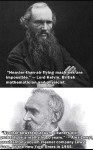
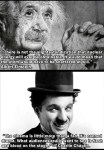
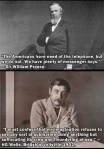
I would like to note that the first workable submarine was invented in 1620. They were used, to pretty good effect, during the American Civil War.
Either the HG Wells quote is wrong or he’s just that ignorant.
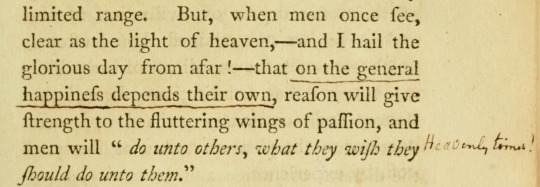
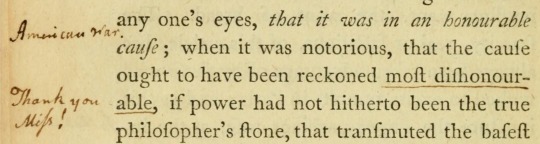
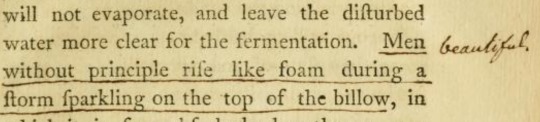
I’m reading John Adam’s annotated copy of Mary Wollstonecraft’s
Historical and Moral View of the French Revolution, ya know, for like, fun. And it’s hilarious. I swear he’s almost a caricature of himself. It’s TOO John Adams™
Like this over-dramatic nonsense
At first, it’s clear he can’t get over the fact that a chick is writing about POLITICS
He loves to write little sarcastic comments when the language and/or sentiments are Too Optimistic for him
also when Wollstonecraft sly-digs the american revolution
He didn’t think Marie Antoinette was All That (later he says “her beauty was chiefly the fiction of flattery”)
Is a total prude even in his most private thoughts #repressed
But every once in a while shows genuine appreciation for good writing
Can we all talk about Marie Antoinette got roasted in that 5th one? 😂
Carlisle Cullen, M.D., pre-1900s, circa.1918, circa.1940 and circa. 2005
(requested by anon)
+ bonus: a short history of medical attire (because i worked on it, lol)
Pre-1900 – Sterility wasn’t much of a concern. The doctors would, for most of the time, enter to surgeries with their everyday attire. In some instances, they would wear butcher aprons to keep their clothes protected. Up to the early 20th century the mark of a busy and successful surgeon was the profusion of blood and fluids on his clothes. For patient interactions, physicians wore black since medical encounters were considered as formal matters.
1918 – The greatest change occurred in medical attire came in 1918 after the Spanish flu pandemic. Medical professionals and surgeons employed masks so that they could be protected from the illness of the patient. Heavy rubber gloves were also used to remain protected from the chemicals that were used for cleaning. Skirt lengths shortened to improve mobility. Shirtsleeves became simpler to roll up.
1940s – With the increased awareness on need for sanitary in operating rooms, the medical professionals started wearing white uniforms for their surgeries and daily rounds. The first scrubs came to use, and gowns and drapes were employed to cover the staff on the operating room.
1950s and 1960s – it was soon found that white gowns against a white background were causing eyestrain. With the 1950s, blue or green colour were used for medical scrubs to fight with this problem. Another significant advantage of these were that they would not show bloodstains as clearly as the white scrubs would.






















 DarkestElemental616