These four examples all come from just the past five months, but there are countless additional articles and segments that share the same lessons about never giving up, going the extra mile, and taking care of others. The articles are framed to make you feel good, to illustrate the kindness of others, to show you that things can work out when tragedy hits, and yes, to “restore your faith in humanity.” These are excellent messages that we could probably all benefit from having in our lives,but there’s one thing that gets left out on an all-too-regular basis: the underlying causes.
Chapter 15 of “Gentleman & Cat”, by Umi Sakurai. Translation and scanlation editing by me. You can read the original on the author’s Twitter, and it’s also being published in Japan! If you enjoy this manga, please support the official release if possible. =)
It’s this type of stuff right here that keeps me from being able to relate to parents of autistic children. The comments all say “I didn’t sign up for this.” Well you know what? You did. I did. The moment you conceived your child, you signed up for whatever that child would grow to be. You think it’s hard for YOU? Imagine how hard it is for THEM. You feel sorry for yourself because you “wake up to screaming every single day”? Feel sorry for the human being who wakes up screaming every day, because they’re crying for a reason. You don’t want to change your child or feed your child beyond toddlerhood? Then WHY did you become a parent? Why would you take the 1 in 68 chance, if you don’t want the chances of having an autistic child? If you resent your child this much, go fuck yourself.
If you treat your autistic relatives like this or treat other autistic people like this you’re an ableist monster, whether you have autism too or not.
“i didn’t want a child, i wanted a status symbol” pretty much sums the whole fucking “autism mom” attitude up imo
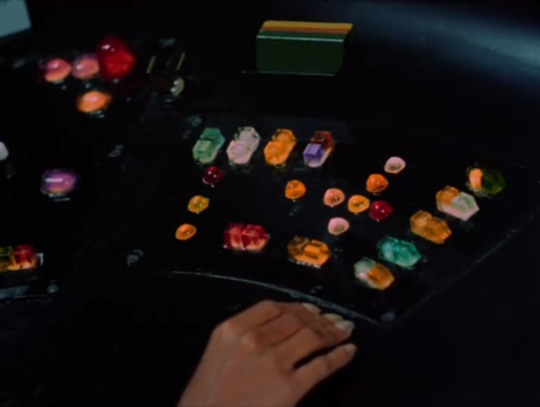
I’m no longer holding Star Trek or Star Wars “accountable” for their clunky-looking sixties-and-seventies future technology.
Why?
Because the Enterprise is off on a years-long voyage through space. There’s no Verizon store, no Radio Shack, no Geek Squad out there. If the Klingons fire photon torpedoes and the bridge shakes and Spock’s head bangs against the fancy iPad72 touchscreen and cracks the glass, the ship’s toast. If Han Solo’s fingerprints get all over the starchart and the touch-calibration is off by half a centimeter, the Falcon is going right into a star. But if Mister Worf accidentally twists the command knob too hard and pops it off, he can just screw that thing right back on and it will keep working. Dust gets in there? Take it apart and clean it out. All the plugs are big and universal, all the power cells are functional and have a decent battery life, and nothing is built to expire in the next six months so you have to buy a new one.
That tech isn’t anachronistic or suffering a bad case of Zeerust–it’s practical, effective, and it works. Apple tried launching its own space exploration craft, it had to come back for full repairs within three months, and then it had to be upgraded over the next two.
But this? This is just good, long-lasting, fully-functional, and reliable craftsmanship.
The actual real-life space shuttles’ electronics looked pretty much like that for their entire lifespan and this is exactly why.















 DarkestElemental616